

The cancellation of a major event organized by the Shincheonji Church by Gyeonggi Province authorities has ignited widespread controversy and protests, raising significant questions about religious freedom and government accountability in South Korea. Provincial authorities canceled the "Religious Leaders Forum and Completion Ceremony," scheduled for October 30 at Paju Imjingak Peace Nuri, on October 29, citing unspecified security concerns. Shincheonji Church officials have vehemently disputed this decision, labeling it unconstitutional and discriminatory, and have vowed to continue protests until receiving an official apology and accountability.
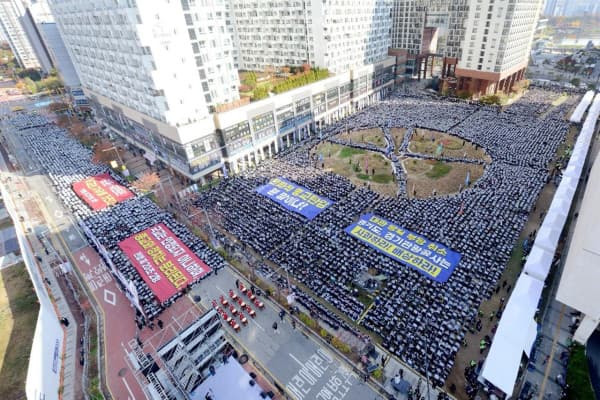
The church argues the decision violates Article 20 of the South Korean Constitution, which guarantees freedom of religion. They contend the cancellation was politically motivated and influenced by pressure from other religious groups, particularly the Metropolitan Christian Council of Korea (MCCK), which has historically been critical of Shincheonji. In response, Shincheonji organized a peaceful protest rally on November 15 outside the Gyeonggi Provincial Office, submitting a formal letter of protest and meeting with officials from the province and the Gyeonggi Tourism Organization.
During the meeting, Chief Public Relations Officer Song Jae-Woong expressed dissatisfaction with the lack of a public response from government bodies. While provincial officials maintained the decision was for public safety, Song emphasized the short notice was problematic and called for an official statement of responsibility from the governor. The church is also seeking compensation for financial damages. Protesters argued the government's actions infringed upon their rights and violated the constitutional separation of religion and politics.
The controversy has broader implications for religious organizations and their ability to conduct events without undue interference, highlighting the delicate balance between ensuring public safety and protecting religious freedoms. As Shincheonji continues its protests, the outcome could set a precedent for how similar situations are handled, with potential consequences for South Korea's reputation as a democratic nation upholding civil liberties. The international community is watching closely, as the resolution touches on fundamental principles of religious freedom and non-discrimination.