

The U.S. Supreme Court has issued an emergency order allowing the Trump administration to proceed with restrictions on mail-in voting ahead of the 2026 midterm elections. The 6-3 ruling, which came down in late August, clears the way for an executive order from March 2026 that directs the U.S. Postal Service and the Department of Homeland Security to build a citizenship-based voter database. The decision has sparked immediate reactions from state officials and voting rights advocates, with New York Attorney General Letitia James describing the response as 'chaos and confusion,' while Arizona Attorney General Kris Mayes defended her state's vote-by-mail system.
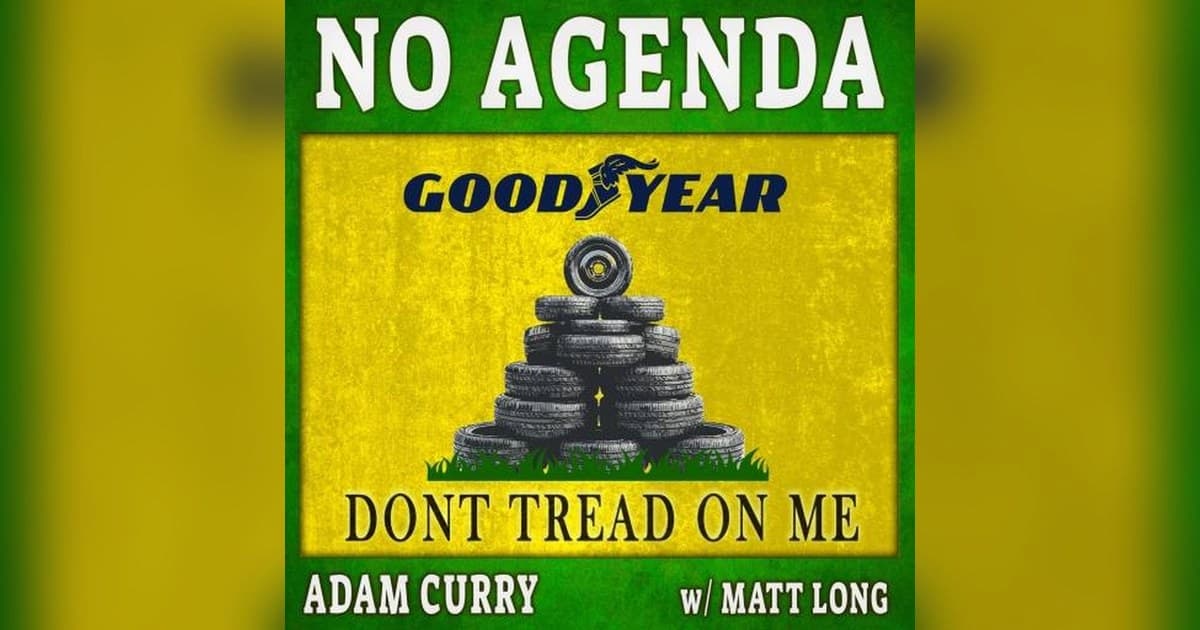
The ruling was a central topic on Episode 1898 of the No Agenda Show, hosted by Adam Curry, who for the first time in the program's history had a co-host in the same studio. Curry welcomed Matt Long, host of The Matt Long Show on Hill Country Patriot FM in Kerrville, Texas, and a longtime organizer of the Fredericksburg No Agenda meetup. Long, who also portrays Benjamin Franklin at various events, brought a boots-on-the-ground perspective on Texas mail-in ballot rules and the Secretary of State's new postmark guidance. He was blunt in his assessment: 'Mail-in ballots, I think, are probably the most easiest way to steal an election and to get dishonest results.'
The episode delved into a wide range of news, reflecting the show's signature media deconstruction approach. Beyond the Supreme Court decision, Curry and Long examined Treasury Secretary Scott Bessent's launch of 'Operation Economic Outcast' targeting Iran, which they likened to an 'Economic D-Day.' CIA Director John Ratcliffe's unannounced trip to Moscow also came under scrutiny, as did President Trump's announcement of 300,000 metric tons of imported ground beef, a move that could impact domestic cattle markets. Canadian Premier Doug Ford's retaliatory tariff threats were discussed in the context of ongoing trade tensions, and California's new Replacement Tire Efficiency Program, approved by the California Energy Commission, was highlighted as an example of state-level environmental regulation.
Long shared his journey from unpaid legislative correspondent to paid radio host, offering insights into the media landscape. The conversation also touched on the 11-year cattle market cycle, explained by an anonymous regenerative rancher from Northwest North Dakota, who contrasted 'commodity cowboys' with regenerative operators. Other topics included Don Huffines and the Epstein ranch purchase, Nvidia's reported acquisition of Hugging Face, OpenAI's push for regulation of open-source models, the H-1B visa fee hike to $103,000, the State Department's revocation of B-1 and B-2 visas, and the unraveling Eurovision Song Contest amid Israel boycotts. The episode concluded with a heartfelt tribute to Dolly Parton and Tim Curry.
This Supreme Court ruling has significant implications for the upcoming midterm elections. By allowing the administration to enforce restrictions on mail-in voting, the Court has effectively validated the executive order's approach to election security, which some argue could disenfranchise voters. The decision is likely to intensify the national debate over voting access, with states now facing the challenge of implementing new procedures in a short timeframe. For voters, this could mean changes in how they cast their ballots, potentially requiring more in-person voting or stricter identification requirements. The outcome will be closely watched as the 2026 election season unfolds, with both supporters and opponents of the restrictions gearing up for legal and political battles.
As the No Agenda Show highlights, the news cycle is dominated by the interplay of politics, media, and public perception. The episode's wide-ranging discussion underscores the interconnectedness of domestic and international issues, from election integrity to trade policies and cultural phenomena. For listeners and readers alike, staying informed about these developments is crucial, as they shape the political landscape and daily life. The Supreme Court's decision on mail-in voting is not just a legal matter; it is a reflection of broader societal divisions over how elections are conducted and who gets to participate. As the midterms approach, the consequences of this ruling will become increasingly tangible.
