

Redmond residents are expressing significant concern over the city's approval process for a proposed 100-unit low-barrier homeless housing project in downtown, with public records indicating the decision to transfer city-owned land to Plymouth Housing was made prior to the City Council's February 13th vote. Councilmember Jeralee Anderson, who provided the sole dissenting vote, described the project approval as 'sort of like a surprise decision and action' that allowed inadequate time for council deliberation. Anderson noted discomfort with approving 'a significant value of land transfer without the same consideration of providers that Kenmore had for both the project regarding both public input and public safety.'
Email communications reveal city officials sought to expedite approval of the land transfer to Plymouth Housing, with the city's Chief Operating Officer inquiring whether the council could 'go ahead and give the Mayor the authority to complete the land transfer and not go back to Council.' The Executive Director of A Regional Coalition for Housing (ARCH) anticipated limited challenging questions, observing that Plymouth 'would rather be over-prepared' based on their experience in Kenmore. Carol Helland, Redmond's Planning Director who also chairs ARCH, acknowledged that 'state permitting requirements mandate public notice and engagement and that has been used effectively by opponents of these types of projects to derail them.' The city maintains it has no obligation for public hearings on the project moving forward.
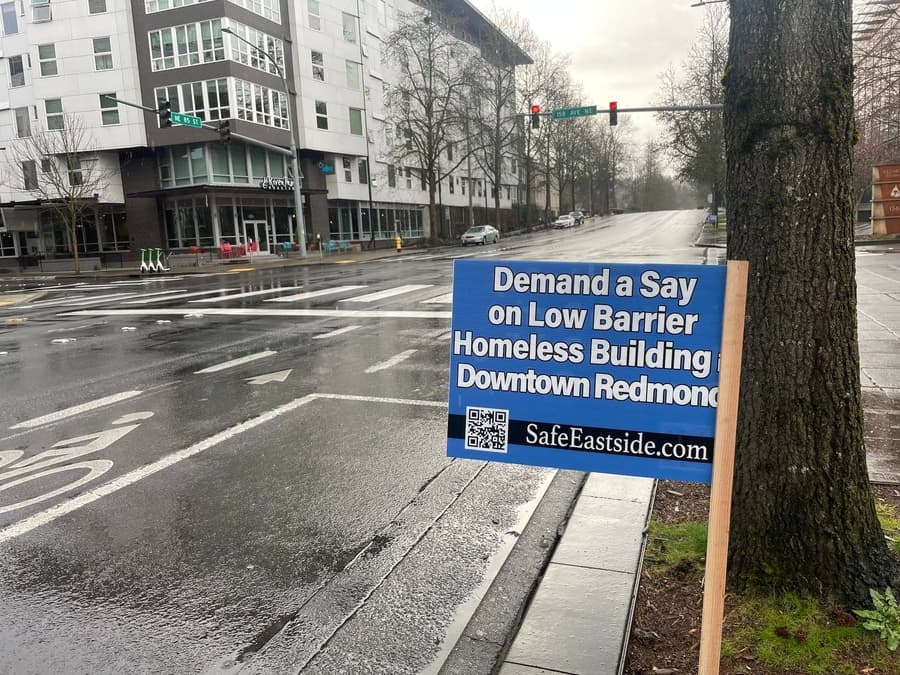
With yard signs demanding community input appearing throughout Redmond, residents express frustration over the lack of communication and inability to provide feedback regarding placement of a low-barrier facility – which accepts individuals typically ineligible for subsidized housing due to factors like criminal history – located just blocks from a school and park. The community is planning additional actions to pressure the council to rescind the land transfer and implement a transparent process with meaningful public engagement. The situation highlights tensions between expedited solutions to homelessness and community participation in land use decisions affecting neighborhood character and safety perceptions.